
What Does "Cool Roof" Mean in Dunkirk, NY’s Climate?
A cool roof is designed to reflect more sunlight and absorb less heat compared to a standard roof. For residents of Dunkirk, NY, where summers can bring warm, sunny spells and winters feature high heating needs, understanding what makes a roof "cool" is essential for year-round comfort and energy management.
Cool roofs work by using materials or coatings that have higher solar reflectance (the ability to reflect the sun’s rays) and thermal emittance (the ability to release absorbed heat back into the atmosphere). This reduces how much heat the roof transfers into the living spaces below.
Why Should Local Homeowners Care About Cool Roof Ratings?
For local homeowners, cool roof ratings offer a standardized way to measure how well a roofing material will help control attic temperatures and cooling costs during the area's hotter weather. A well-rated cool roof can:
- Help keep top floors cooler during summer heatwaves
- Reduce the demand on air conditioning systems in homes with central air or window units
- Slow down aging or cracking of shingles due to less heat stress
- Support longer-term savings on energy bills—especially during warm humid stretches in July and August
While cool roofs offer the most impact in hot, sunny climates, many residents in the city find value in improved comfort and cost savings, particularly for homes with poor attic ventilation or rooms directly under the roof.
What Are Cool Roof Ratings, and Who Sets the Standards?
Cool roof ratings are numbers assigned to roofing products measuring two main performance features:
- Solar Reflectance: The fraction of solar energy reflected by the roof surface. Rated from 0 (no reflection) to 1 (perfect reflection).
- Thermal Emittance: The ability of the roof material to radiate absorbed heat. Also rated from 0 to 1.
In the United States, the Cool Roof Rating Council (CRRC) is the main independent body establishing standards for these ratings. CRRC testing ensures that ratings are consistent and third-party verified, rather than manufacturer claims. Products that carry a CRRC label have been tested for both fresh and aged performance (simulating debris and weathering effects).
How Do You Read a Cool Roof Rating Label?
A CRRC product label typically lists two numbers: one for solar reflectance and one for thermal emittance. For example, a label might read:
- Solar Reflectance: 0.28 (new), 0.24 (3-year aged)
- Thermal Emittance: 0.85 (new), 0.84 (3-year aged)
Higher numbers for either property mean better performance at keeping the roof surface cooler when exposed to the sun. The aged rating is especially relevant for Dunkirk’s climate, where roofs endure snow, ice, and tree debris that can diminish reflectivity over time.
Are Cool Roofs Effective During Cold Winters?
A frequent misconception is that cool roofs are only beneficial in hot climates. In Dunkirk, the effect is more nuanced. While a cool roof can make summer upstairs rooms more comfortable and lower AC costs, it is not intended to keep heat inside during winter.
In winter, roof insulation—not the color or reflectivity of roofing material—does most of the work to keep warmth inside the house. Cool roofs do not increase winter heating bills, as the energy lost from snow-covered roofs is minimal compared to heated attic air escaping due to poor insulation or ventilation.
Which Roofing Materials Have High Cool Roof Ratings?
Several types of roofing materials are rated for cool performance. Some common types installed on homes in the area include:
- Light-colored or specially-coated asphalt shingles
- Metal panels with reflective paints or granular finishes
- White or reflective membrane roofs (more common on low-slope or flat roofs)
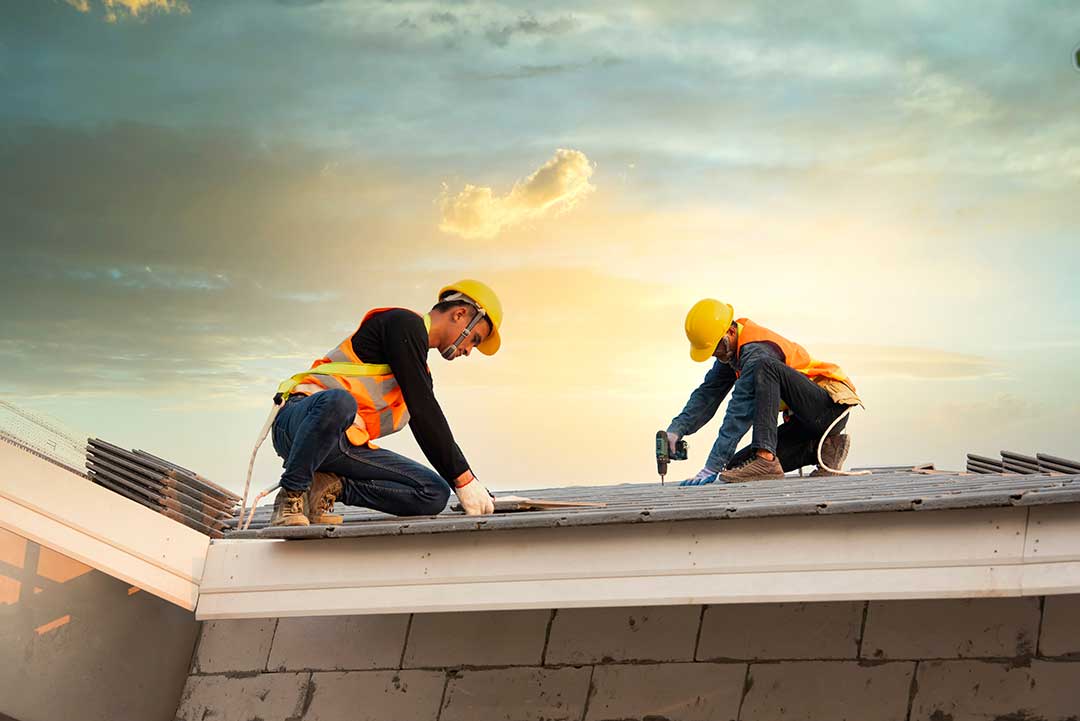
Some darker shingles can also be considered “cool” if they have reflective granules or surface treatments. Always look for products with an official rating rather than assuming lighter color alone is enough.
What Should Dunkirk Residents Consider When Evaluating Roofing Options?
When considering roofing updates or replacements, think about:
- Local Weather: Reflective roofs help reduce summer overheating and support air conditioning efficiency, but a well-insulated attic remains critical for winter comfort.
- Snow Cover: Snow naturally blankets most roofs in winter, negating reflectance differences for part of the year.
- Appearance Restrictions: Some neighborhoods or historic areas may have guidelines on roof color or materials that can limit choices.
- Longevity: Aging, moss, or tree debris affect real-world roof reflectivity. Look for products with strong aged ratings, not just new-product ratings.
- Attic and Ventilation: Cool roofing works best when paired with appropriate attic ventilation and insulation. Without these, reflectivity alone won’t solve attic heat buildup.
Is a Cool Roof Right for Every Home in the City?
Not every home or building benefits equally from cool roof products. For residents with shaded roofs, upper floors rarely used in summer, or minimal air conditioning, the savings may be modest. However, for households with high cooling costs, discomfort in upstairs bedrooms, or sun-exposed roofs, a cool roof can contribute to a more comfortable and energy-efficient living space.
How Do Local Building Codes Affect Roofing Choices?
Local residential codes do not currently require cool roofing for homes in the city, but they do regulate roofing fire ratings, insulation, and occasionally aesthetics depending on building type and location. Homeowners interested in maximizing both comfort and code compliance should confirm that any chosen product meets requirements for ice dam protection, wind resistance, and fire safety.
—
