
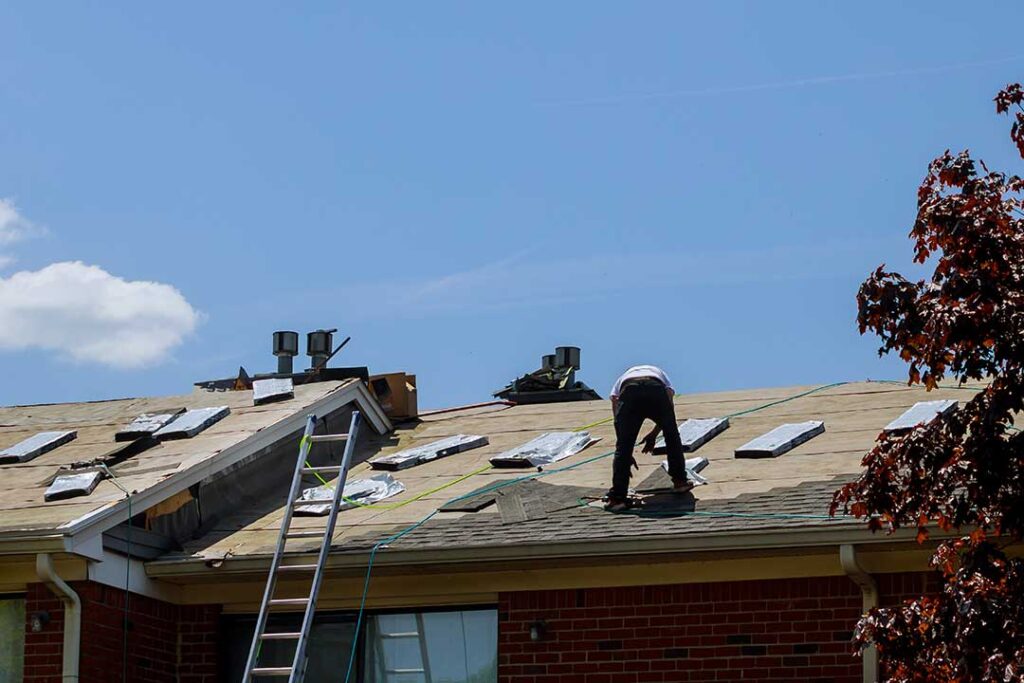
A roof warranty can help with certain product defects or installation problems, but it does not guarantee that every leak, stain, or storm-related repair will be covered. The first step is identifying which warranty applies, what it promises, and what conditions could limit coverage.
For homeowners in Dunkirk, NY, this review is especially useful after heavy rain, lake-effect snow, freeze-thaw cycles, wind, or ice buildup. Weather may reveal a problem, but the cause of the problem usually determines whether a warranty applies.
What types of roof warranties may apply?
Most roofing projects involve more than one warranty. A homeowner may have a manufacturer’s warranty for the roofing materials and a separate workmanship warranty from the company that installed them.
A manufacturer’s warranty generally covers defects in the roofing product itself. Examples might include premature deterioration, manufacturing flaws, or abnormal loss of protective surface material, depending on the written terms.
A workmanship warranty addresses installation-related problems. It may cover issues such as improper fastening, inadequate flashing installation, or other errors that allow water to enter because the roof was not installed according to the required instructions.
Other documents may also affect coverage:
- A builder’s warranty may apply to a newly constructed home.
- A remodeling contract may contain a limited warranty for roof-related work.
- A home service contract may mention roof leaks, but such contracts often have narrow limits, exclusions, service fees, or dollar caps.
- A transferable warranty may continue after a home sale, but only if the transfer requirements were followed.
These warranties are not interchangeable. A manufacturer may deny a claim involving poor installation, while an installer may deny responsibility for a defective batch of materials.
Where should a homeowner begin?
Start with the paperwork rather than the roof itself. Gather the contract, final invoice, warranty certificate, product information, inspection records, repair receipts, and any messages describing promised coverage.
Look for these details:
- The date coverage began
- The length of the warranty
- The name of the warrantor
- Whether the warranty covers materials, labor, or both
- Whether coverage decreases over time
- The required procedure for submitting a claim
- Maintenance, inspection, or registration requirements
- Transfer rules if the property changed ownership
- Exclusions for weather, impact, improper ventilation, or alterations
A verbal promise should not be treated as equal to a written warranty. If someone said that a roof would be covered for a specific period or that labor would be included, look for that promise in the contract or request written clarification while records are still available.
Does a “lifetime” roof warranty last forever?
No. “Lifetime” generally refers to the expected period of ownership defined in the warranty, not an unlimited promise lasting forever. The document may define whose lifetime is involved, how long the original owner must occupy the home, or how coverage changes if the property is sold.
Some warranties provide stronger coverage during an initial period and then offer reduced protection later. A materials warranty may cover replacement roofing products but exclude the labor needed to remove damaged materials and install new ones.
The word “lifetime” should therefore be treated as a label that requires explanation. The actual terms are found in the sections describing duration, remedies, exclusions, and transfer.
What roof problems are commonly excluded?
A warranty usually covers a defined defect, not every condition that happens during the warranty period. Common exclusions may include:
- Damage caused by falling branches, hail, wind, or other impact
- Damage from animals, pests, fire, or unusual weather events
- Problems caused by walking on the roof or placing equipment on it
- Improper repairs or alterations by someone not authorized under the warranty
- Poor attic ventilation or condensation-related moisture
- Structural movement, settling, or problems with the roof deck
- Ice dams or water backup
- Lack of maintenance
- Moss, algae, staining, or normal appearance changes
- Damage involving gutters, chimneys, skylights, siding, or other adjoining components
In a snow-prone climate, ice and repeated freeze-thaw conditions can complicate a claim. A leak near an eave could result from a roofing defect, but it could also involve ice buildup, clogged drainage, flashing, ventilation, or an underlying structural issue. The visible location of a ceiling stain does not necessarily identify the source of the water.
Is a roof leak automatically covered?
No. A leak is evidence of a problem, but it does not establish the cause. Coverage depends on whether the leak resulted from a condition included in the warranty.
For example, a workmanship warranty might respond to water entering through improperly installed flashing. A material warranty might apply if a roofing component failed prematurely because of a manufacturing defect. Neither warranty may cover interior painting, damaged belongings, mold remediation, or repairs to unrelated building components unless the document specifically includes those costs.
Avoid making permanent changes before documenting the condition. Temporary measures may be reasonable when water is actively entering the home, but keep receipts, photographs, and notes describing what was done and when.
How can a homeowner document a possible claim?
Good records make it easier to compare the actual problem with the warranty language. Document the date the issue was noticed, the weather conditions, the location of visible damage, and any temporary action taken.
Useful records may include:
- Wide and close-up photographs
- Video of active dripping or water movement
- Photos of attic areas, ceilings, shingles, flashing, and gutters
- Copies of repair invoices and inspection reports
- The original installation date
- Product names and installation details
- A written timeline of previous leaks or repairs
- Copies of all warranty communications
Do not assume that a problem has been diagnosed simply because a contractor, insurer, or manufacturer uses a general term such as “storm damage” or “installation issue.” Ask which physical evidence supports that conclusion and which warranty provision addresses it.
What is the usual claims process?
The warranty document should explain whom to notify and how. Some claims begin with the installer, while others require the homeowner to contact the manufacturer directly. Missing a notice deadline or failing to use the required process can create complications.
A practical written claim should identify:
- The property address
- The date and nature of the problem
- The date the roof was installed, if known
- The warranty number or product information
- Photographs and supporting documents
- The remedy being requested
Keep copies of everything submitted. If a claim is denied, request the decision in writing and ask which specific exclusion or condition was relied upon. A denial based on an inspection should explain the observed cause rather than merely state that the roof is not covered.
What if the roof was replaced before the home was purchased?
Check whether the warranty transfers to later owners. Some warranties transfer automatically, some require registration, and others become limited after the first sale. The purchase records may contain roof-related documents, but they are not always complete.
A home inspection report can help establish the roof’s apparent condition at the time of purchase, but an inspection is not the same as a warranty. It does not expand coverage or guarantee future performance.
New York home improvement work generally should be documented in a written contract. The contract may provide important information about the installer’s responsibilities, payment history, materials, and workmanship coverage.
When should safety take priority over the warranty review?
Safety comes first if the roof is sagging, visibly unstable, badly damaged, leaking near electrical wiring, or covered with dangerous ice. Avoid climbing onto a wet, icy, steep, or damaged roof. A warranty dispute can be addressed after the immediate risk of injury or additional property damage is controlled.
The clearest warranty assessment separates three questions: What failed? Who warranted that part of the work? What does the written document say about the cause, remedy, and exclusions? Answering those questions usually provides a more reliable picture than focusing only on the warranty’s advertised duration.
