
How Do Pests Enter Roofs in Dunkirk, NY?
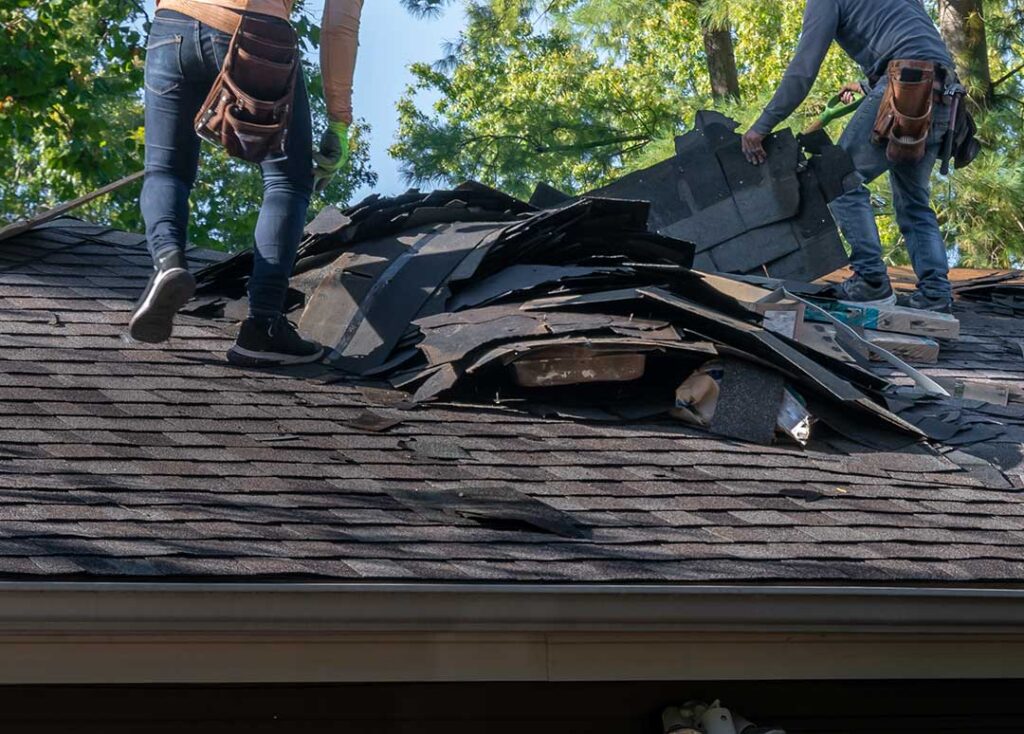
Pests can access roofs through common vulnerabilities that develop over time or due to the unique weather patterns of Dunkirk, NY. Gaps, cracks, and structural weaknesses—such as missing shingles or loose flashing—allow animals and insects to find a way inside. Factors like heavy snowfall in winter and seasonal storms can also worsen these openings, offering easier access for wildlife seeking shelter.
What Types of Pests Are Most Common in Roof Spaces Here?
Local residents often encounter a mix of both small mammals and insects infiltrating their attics and roof voids. Squirrels, raccoons, bats, and birds are the most frequent animal intruders. During the warmer months, wasps, bees, and even carpenter ants or cluster flies look for dry, safe nesting sites under eaves or inside attic spaces.
The city’s location along Lake Erie means that changing seasons can influence pest activity, especially late summer and fall when wildlife begins searching for winter shelter. Additionally, older housing stock and mature trees in many Dunkirk neighborhoods mean overhanging branches frequently give easy access to upper stories.
What Roof Features Attract Wildlife?
Several architectural features and household conditions make roofs inviting for pests:
- Soffit and fascia boards, if rotted or warped, create entry points for rodents, bats, and birds.
- Uncapped or damaged chimneys can let animals in and serve as routes deeper into the house.
- Roof vents and exhaust fans, when missing screens, provide direct access for small creatures and insects.
- Gutter debris can provide nesting materials and food sources for wildlife and insects alike.
- Attic insulation disturbed by previous activity or moisture weakens barriers designed to keep pests out.
Many area homes, especially those with older wooden construction, are more prone to developing these conditions over time. A common misconception is that only visibly damaged or neglected roofs are at risk; even a well-maintained roof can develop subtle gaps during freeze-thaw cycles typical in Dunkirk winters.
How Do Pests Exploit Seasonal Weather in the City?
All seasons present their own unique challenges for keeping pests out of a roof:
- Winter: Heavy snow and ice dams can force shingles or flashing apart, creating paths for mice and squirrels in search of warmth.
- Spring: Thawing reveals cracks and gaps hidden by ice, while increased moisture can rot wood, softening entry points for insects.
- Summer: High temperatures and storms can loosen roofing materials, while wasps and bees look for dry, protected sites to build nests.
- Autumn: Falling leaves clog gutters, offering cover for rodents, and deteriorating organic matter in gutters draws insects looking for food.
Awareness of seasonal risks allows residents to proactively inspect vulnerable roof areas, especially after extreme weather. Undetected roof openings in late fall can lead to a full family of raccoons or squirrels nesting over the winter.
What Are the Early Signs of Pest Entry?
Recognizing pest activity early reduces the risk of roof damage or infestation. Some overlooked indicators include:
- Scratching, scurrying, or chirping noises in the attic, especially at dusk or dawn.
- Piles of nesting material, droppings, or gnawed insulation found during attic checks.
- Staining or discolored spots on ceilings, which may suggest animal nests or insect hives above.
- Sudden increases in wasp or bee activity around gutters, vents, or soffit lines.
- Noticeable drafts or daylight entering through the roof while in the attic, evidence of gaps or missing materials.
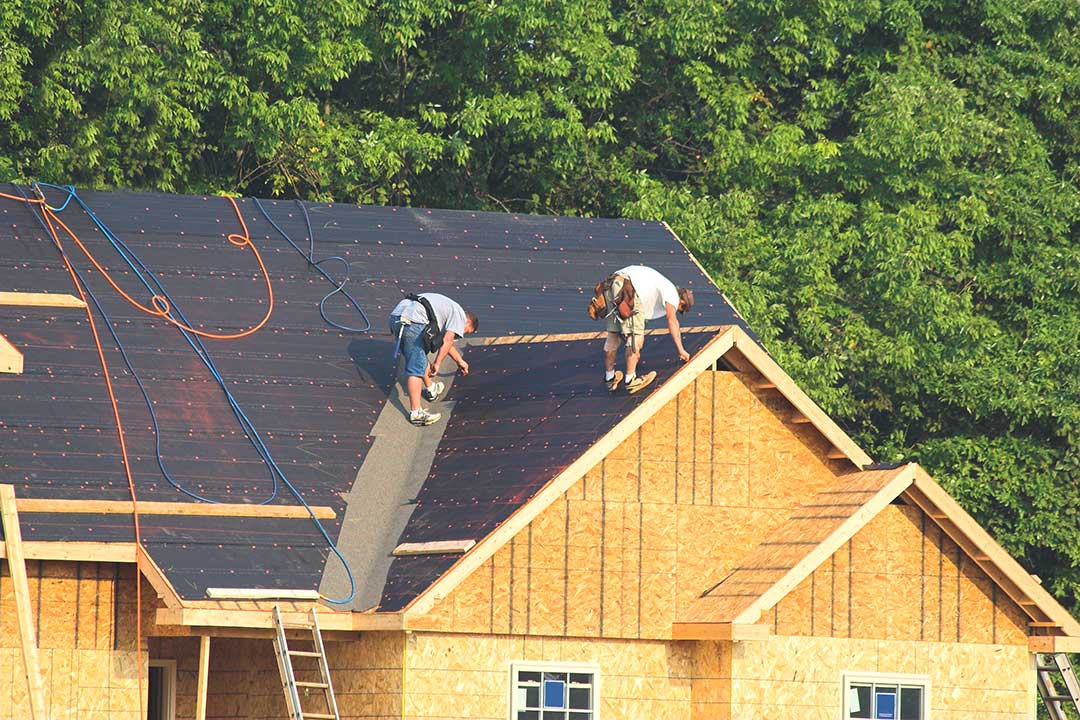
Not every sign means an active problem, but regular inspection—especially before and after storm season—helps area households stay ahead of potential intrusions.
How Can Residents Reduce Roof Pest Risks?
While full prevention is challenging given Dunkirk’s climate and older roofing stock, practical steps can limit opportunities for pest entry:
- Trim overhanging branches away from rooflines to deter climbing animals.
- Ensure roof and soffit vents have intact, tight-fitting screens.
- Inspect attic spaces for signs of moisture, mold, or previous pest activity.
- Clean gutters regularly, especially after autumn leaf fall.
- Check flashing, shingles, and fascia each spring and fall for damage or gaps.
Misconceptions persist that DIY foam or mesh on the exterior alone is sufficient; however, pests often exploit several routes simultaneously, and unaddressed interior weak points can go unnoticed.
When Is Professional Involvement Needed for Roof Pest Issues?
Most householders can handle routine checks and minor sealing jobs safely. However, involving professionals—or at minimum, consulting local housing authorities or public health agencies—may be necessary when:
- Bats are present, due to rabies risk and legal protections around their removal.
- Structural issues create unsafe attic environments (e.g., mold, severe droppings, nesting).
- Roof damage is so significant that it poses hazards, such as sagging or extensive leaks.
Local codes may also govern how certain species are managed, particularly for protected wildlife, so it's worthwhile for residents to check with city departments if unsure.
By staying attentive to their roof’s vulnerabilities and knowing the seasonal patterns of pest activity, the community can take practical steps to limit animals and insects from gaining entry.
