
Why Does Rain Sound Louder on Some Roofs?
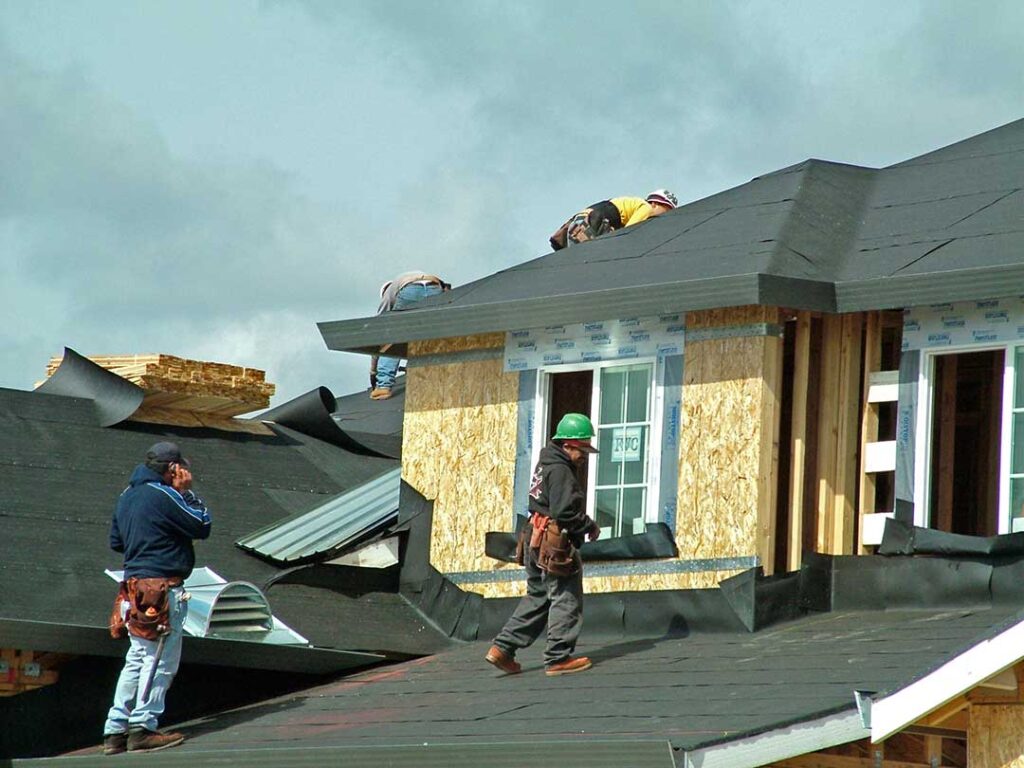
Rain can sound surprisingly loud indoors depending on the roof design and materials. In Dunkirk, NY, seasonal downpours and rapid thaws often bring heavy rainfall that makes roof noise more noticeable, especially in attics or top-floor bedrooms. Noise levels are mainly affected by the type of roofing material, how much insulation is present, and the roof’s structure.
- Metal roofs and older asphalt shingles typically amplify the drumming of rain.
- Homes with open attics, minimal insulation, or cathedral ceilings may experience more pronounced noise.
- Snow cover in winter can sometimes provide natural sound dampening, making rain noise a more seasonal concern.
What Kinds of Roofing Materials Are Quietest?
Roofs made of heavier, layered materials generally transmit less rain noise. While changing a roof solely for noise reasons isn’t practical for most Dunkirk homeowners, understanding material differences helps when considering repairs or future upgrades.
- Asphalt shingles (standard in many area homes) are moderately quiet but can be noisier if the shingle layer is thin or aging.
- Metal roofs, although durable and popular near Lake Erie, tend to be louder unless installed with a solid deck and ample insulation beneath.
- Slate, clay, or concrete tiles are among the quietest due to their density, but are rare locally and require strong framing to support their weight.
- Wood shakes and composite shingles offer decent sound dampening, especially with proper underlayment.
Can Adding Insulation Help Reduce Roof Noise?
Yes. Increasing insulation between your living space and the roof is a practical way to muffle rain sounds, especially in the attic or top floors.
- Fiberglass, cellulose, and foam insulation all reduce sound transmission to some extent.
- Installing insulation in attic floors or vaulted ceilings can make the most immediate difference for existing homes.
- Proper vapor barriers and ventilation are crucial in local homes to prevent moisture issues, given Dunkirk’s humid summers and freeze-thaw cycles.
- In older houses, gaps in insulation or air leaks may let more sound—and energy—pass through, so air sealing can help too.
What Role Do Roof Decking and Underlayment Play?
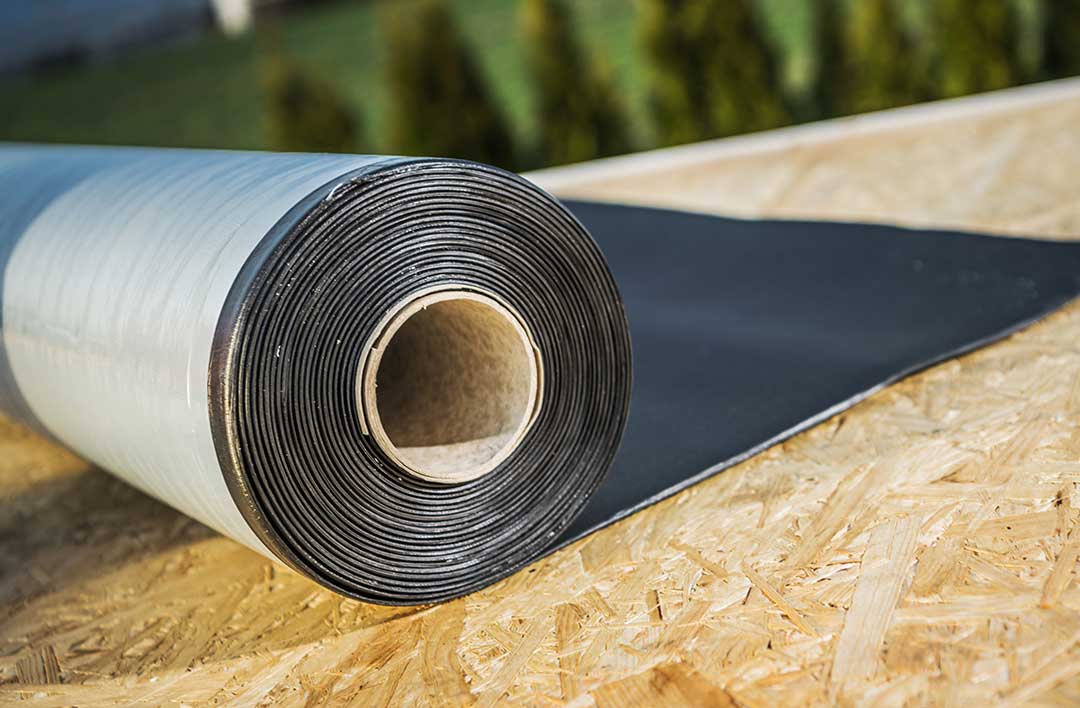
Roof decking (the base layer of wood beneath shingles or metal panels) and underlayment (the barrier layer on top of the decking) significantly affect noise levels.
- Thicker plywood or oriented strand board (OSB) creates a sturdier, quieter base than thin planking.
- Upgrading to sound-reducing or rubberized roofing underlayment adds an extra noise buffer.
- During roof replacement projects, local homeowners often choose underlayments that dampen both rain and wind noise, as high winds are common in Dunkirk due to proximity to Lake Erie.
Are There Simple Interior Fixes to Help Quiet Rain Noise?
Even without major roof work, local residents can take steps inside the home to soften rain sounds.
- Hang heavy curtains or use area rugs in top-floor rooms for additional sound absorption.
- Add acoustic ceiling tiles or panels in noisy attic spaces or converted lofts.
- Caulk or weatherstrip around attic doors and ceiling trapdoors to reduce sound leaks.
- Use insulated attic hatches or covers, especially in homes with pull-down stairs.
Does Roof Pitch or Shape Affect Rain Noise?
Yes, but mainly in how sound travels into living spaces.
- Steeper roofs often direct rainwater (and noise) further from top floor ceilings.
- Dormers and flat spots can create “hot spots” that focus noise directly below.
- Attic spaces with open joists or exposed beams may act as echo chambers, especially in older Dunkirk homes.
If considering renovations, creating a closed ceiling cavity with added insulation or drywall can minimize rain noise from above.
Are There Misconceptions About Solving Roof Noise Problems?
A common belief is that adding another roofing layer—a “roof-over”—will dramatically reduce noise. In reality, an extra layer of shingles or metal often provides only minimal soundproofing and can introduce ventilation and moisture problems in the city’s variable climate.
Similarly, some expect attic insulation alone to make a room silent during storms, but small gaps or thermal bridges can continue to transmit noise unless air sealing is also part of the solution.
What Should Dunkirk Homeowners Consider Before Tackling Roof Noise?
- Balance noise reduction with moisture control: Dunkirk’s mix of lake-effect rain, winds, and winter freeze makes proper attic ventilation and moisture management essential alongside soundproofing efforts.
- Older area homes may present unique challenges: Original framing or historic rooflines may limit options for added insulation or underlayment upgrades.
- DIY improvements can help, but larger structural changes (like re-decking or re-roofing) require a careful review of local building codes and weather considerations.
Addressing rain noise is often a gradual process—often, a combination of insulation upgrades, sealing gaps, and choosing quieter interior finishes will offer the best results for area households without major construction.
