
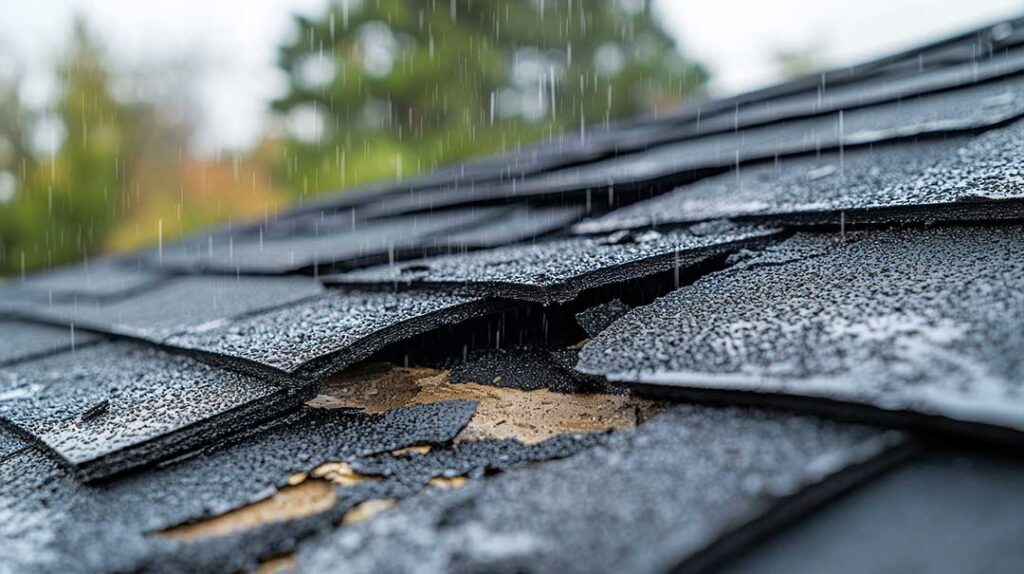
What does preventive roof maintenance mean?
Preventive roof maintenance is the routine inspection and care that helps identify minor roof problems before they become major leaks, structural damage, or premature replacement. It includes checking roof coverings, flashing, drainage components, attic conditions, and areas where water or winter weather can cause hidden deterioration.
A roof does not usually fail all at once. More often, damage develops gradually through small cracks, loose materials, blocked drainage, aging sealants, or repeated exposure to wind and moisture. Finding those conditions early can preserve the roof’s function and reduce the cost and disruption of future repairs.
For homes in Dunkirk, NY, preventive care is especially useful because roofs face moisture from rain, snow, and lake-influenced weather, along with freeze-thaw cycles that can stress roofing materials and building components.
Why does regular roof maintenance have long-term value?
The main value is not that maintenance eliminates every future problem. Its value is that it improves the likelihood of finding manageable issues while they are still localized.
A small roof defect may initially affect only one flashing seam or a limited section of shingles. If water continues to enter, it can spread into:
- Roof decking
- Attic insulation
- Rafters or trusses
- Ceiling finishes
- Exterior walls
- Electrical components
- Ventilation materials
The visible stain inside a home may appear months after the original roof problem began. By that point, the cost is often greater because the repair involves more than the roof surface.
Routine maintenance also helps distinguish ordinary aging from urgent damage. That distinction can make household budgeting more predictable and reduce the chance of emergency work after a storm.
How do Dunkirk’s seasonal conditions affect roofs?
Roof maintenance should reflect local weather patterns rather than follow a one-size-fits-all schedule. In Dunkirk, changing seasons can expose weaknesses in different ways.
Winter snow and ice add weight to the roof and can contribute to ice buildup near roof edges. Melting snow may refreeze around poorly draining areas or at transitions between heated and unheated sections of the building. This does not mean every ice formation causes damage, but persistent buildup deserves attention.
Spring often reveals problems caused by winter. Strong winds may loosen flashing or roofing materials, while freeze-thaw movement can enlarge small cracks. Spring rain can then expose weak points through leaks or damp attic insulation.
Summer heat and ultraviolet exposure gradually age roofing materials and sealants. Heavy thunderstorms may bring wind-driven rain, fallen branches, or localized damage that is not visible from the ground.
Autumn is a practical time to check drainage paths and roof penetrations before snow and freezing temperatures return. Leaves, twigs, and other debris can collect in gutters and around drainage areas, increasing the chance of overflow.
Which roof areas deserve the closest attention?
A roof inspection should consider more than the main field of shingles or other covering. Some of the most vulnerable areas are where materials meet, change direction, or allow something to pass through the roof.
Common inspection points include:
- Flashing around chimneys, vents, skylights, and wall intersections
- Valleys where two roof slopes direct water into a narrow channel
- Eaves and gutters where water can back up or overflow
- Pipe boots and other roof penetrations
- Ridge and soffit ventilation openings
- Areas beneath overhanging branches
- Places where roofing materials appear curled, cracked, lifted, or missing
- Attic surfaces showing dampness, staining, rust, or daylight
Roof edges deserve special attention because wind can place greater stress on exposed materials. Drainage components also matter because a roof may be in reasonable condition while clogged or damaged gutters direct water toward siding, trim, foundations, or walkways.
Can homeowners perform any maintenance themselves?
Some basic observations are reasonable from the ground or from an accessible attic. Walking on a roof is different. Sloped surfaces, wet materials, hidden weak spots, and winter conditions create fall hazards that are easy to underestimate.
Homeowners can safely watch for:
- Water stains on ceilings or upper walls
- Musty odors in attic areas
- Damp or compressed insulation
- Granules collecting in gutters
- Sagging roof lines
- Debris or branches resting on the roof
- Gutters that overflow during rain
- Daylight visible through roof decking
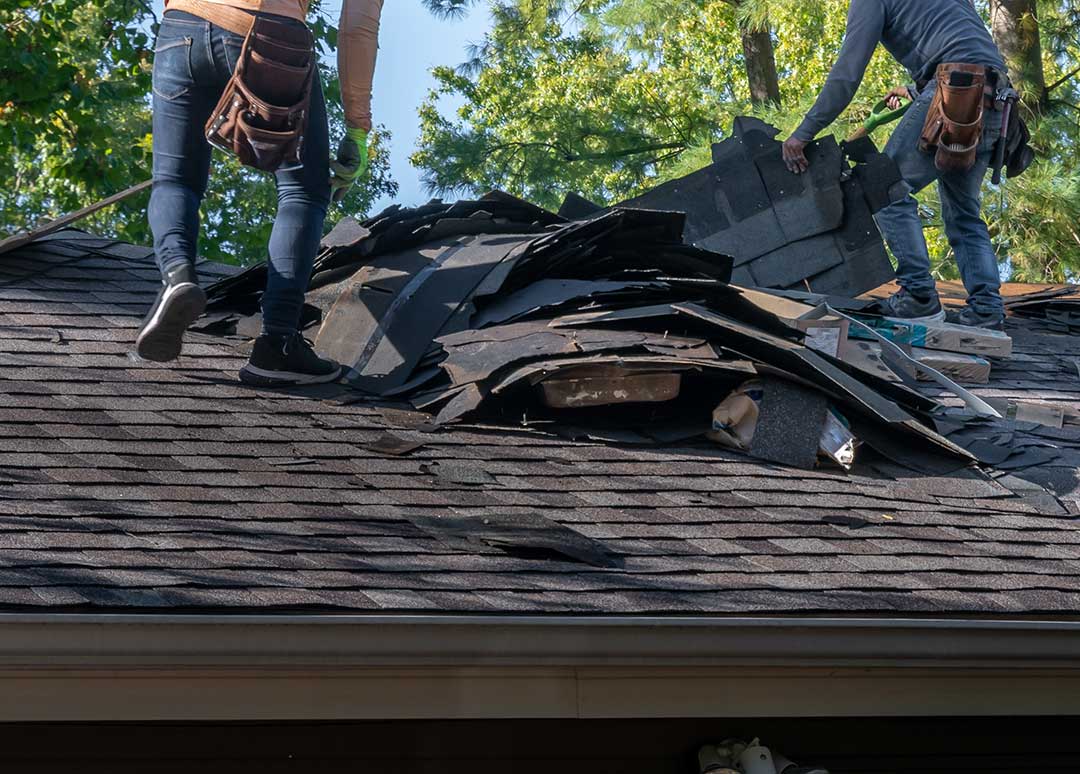
Ground-level binoculars can help with a visual check, but they do not replace close inspection where safety is a concern. Clearing light debris from safely reachable areas may be reasonable, but climbing onto a roof during wet, icy, or windy conditions is not.
If a roof has structural sagging, active interior leakage, exposed electrical components, major storm damage, or unsafe access, qualified assistance is appropriate because the concern involves safety or possible building damage.
How often should a roof be inspected?
A practical maintenance pattern is a visual review at least twice a year, commonly in spring and autumn, along with additional checks after severe wind, heavy snowfall, or falling branches.
The schedule may need to be more frequent when a home has:
- Mature trees close to the roof
- Older roofing materials
- A low-slope section
- Repeated ice buildup
- Poor attic ventilation
- Previous leaks
- Complex roof intersections
- Gutters that clog easily
A roof that appears intact from the street can still have problems around flashing, ventilation, or roof-to-wall connections. Maintenance is most useful when observations are recorded over time, including photographs, dates, and the location of any changes.
Does preventive maintenance delay roof replacement?
It can, but maintenance cannot stop normal material aging. Roofing systems have a service life that depends on material quality, installation, ventilation, moisture exposure, snow and wind conditions, and the amount of regular care they receive.
Maintenance may help extend useful service by correcting conditions that accelerate deterioration. Examples include repairing loose flashing, improving drainage, replacing damaged individual materials, and addressing ventilation concerns. These actions do not make an aging roof new again, but they may prevent isolated problems from becoming system-wide damage.
A common misconception is that a roof should be left alone until it leaks. Leaks are evidence that water has already found a path through or around the roofing system. Some defects remain dry for months because rainfall, wind direction, temperature, and snow conditions vary.
What records are useful for long-term roof care?
Simple records can improve decisions later. A useful roof file may include:
- The approximate installation date
- Roofing material and color, if known
- Previous repairs
- Inspection dates
- Photos of flashing, valleys, vents, and drainage areas
- Notes about leaks, ice buildup, or storm exposure
- Receipts or documentation for completed work
These records help identify recurring problems and provide context when comparing a new concern with earlier conditions. They can also help distinguish a single repair area from broader aging across the roof.
Preventive maintenance is therefore less about constant attention and more about timely observation. A few documented checks each year can reveal changes before water damage spreads, support more accurate household planning, and help a roof perform more reliably through the seasons.
