
What Makes a Roofing Material Durable in Dunkirk, NY?
A durable roof can withstand the region’s strong winds, heavy snow loads, ice, rain, and fluctuating temperatures. In Dunkirk, homes experience all four seasons, with winters that are especially harsh. Materials that resist moisture, repel wind-driven precipitation, and manage ice dams have a clear advantage for local households.
Durability not only extends a roof’s lifespan but also reduces maintenance frequency, helps prevent water damage, and keeps energy costs down by preserving insulation. Local building codes and climate exposure are two factors residents should keep in mind when evaluating options.
Which Roofing Materials Last the Longest in This Climate?
Materials with a track record for 30 years or longer often include slate, metal, clay tile, and specific high-quality asphalt shingles. Each has unique advantages and challenges in the Dunkirk climate:
Slate Roofing:
Slate is often seen on older homes throughout the region. These natural stone tiles are extremely long-lasting and typically outlive most other materials, often lasting 75–100 years or more if undisturbed. They are highly resistant to snow, ice, fire, and wind. Slate is quite heavy, so a roof structure must be evaluated for support.
Metal Roofing:
Metal panels and shingles—especially steel and aluminum—are popular for their impressive lifespan (40–70 years) and low maintenance. Metal naturally sheds snow and ice, helping prevent buildup that can result in leaks and damage. It is also highly wind-resistant, making it a reliable option during spring storms.
Clay and Concrete Tiles:
While less common locally, these roofs can last 50 years or longer. They are more prevalent in regions with less snow, but specially designed tiles can sometimes be found on custom homes in the area. Like slate, they are quite heavy and may require additional structural support.
High-Quality Architectural Asphalt Shingles:
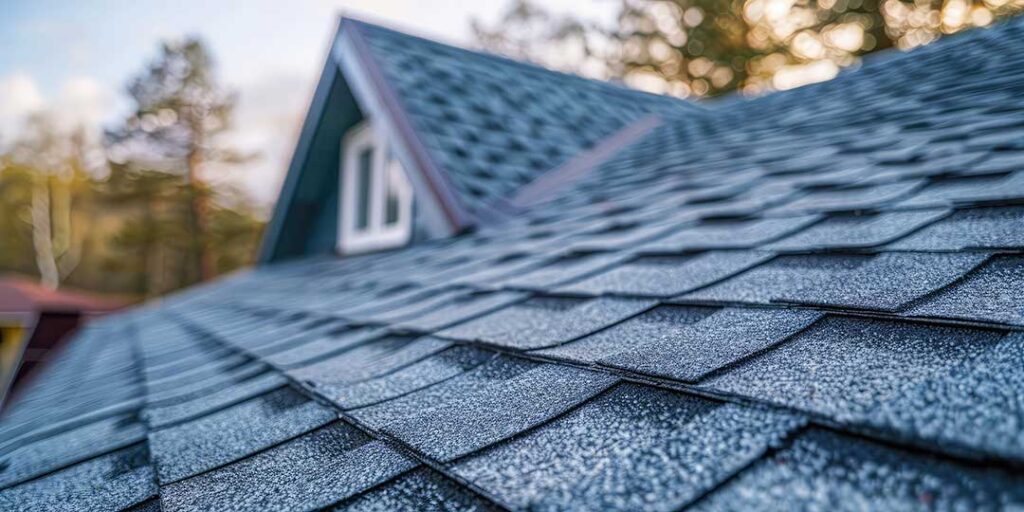
Standard asphalt shingles usually last 15–25 years, but "architectural" or "dimensional" varieties can exceed 30 years with proper installation and ventilation. These shingles are thicker, more layered, and generally more resistant to high winds and hail than basic three-tab shingles. They remain the most widely used roofing material because of their balance of durability and cost.
How Does Local Weather Affect Roofing Lifespan?
Local conditions, especially freeze-thaw cycles, lake-effect snow, and strong winds off Lake Erie, all play significant roles.
- Snow and Ice: Ice dams are a recurring threat. Durable roofs in Dunkirk often include underlayment layers designed to prevent leaks from ice backup.
- Wind Resistance: High gusts can pull up shingles or panels, so wind-rated materials are preferred. Metal and architectural shingles offer strong resistance to uplift.
- UV Exposure: While not as extreme as in sunnier climates, UV rays can still contribute to material breakdown, especially on south-facing slopes.
- Moss and Algae: Humid summers and shady yards cause more rapid moss and algae growth, which sometimes affect asphalt shingle longevity. Metal and slate are less likely to support growth.
Are There Maintenance Differences Between Durable Roofing Types?
All durable materials benefit from regular inspection, particularly after storms or heavy snow. However, the maintenance requirements and challenges do differ:
Slate:
- Usually requires very little care beyond removing debris, but cracked tiles must be replaced promptly to prevent leaks.
- Professional assessment may be needed if the roof is very steep or tall.
Metal:
- Typically low-maintenance. Occasional checks for loose fasteners or sealant are wise.
- Painted finishes may fade over many years but rarely affect performance.
Clay Tile:
- Tiles can break if walked on; repairs tend to be more specialized.
- Gutters and flashing should be checked for debris that can trap moisture against tiles.
Architectural Asphalt:
- Inspect regularly for missing or cracked shingles, especially after wind events.
- Remove moss or algae buildup to maximize life.
Common Misconceptions About “Lifetime” Roofing
Many residents assume “lifetime” means a roof will never need replacement. In reality, a “lifetime warranty” often covers only manufacturing defects, not decades of exposure in the local climate. Even the most rugged roof can be damaged by falling branches, severe storms, or improper ventilation.
Another misconception is that heavier materials are always better. While weight can indicate substance, it also requires the underlying structure to be up to the task. Old homes may need professional assessment before heavy roofing like slate or tile is installed.
What Should Homeowners Ask Before Choosing a Roofing Material?
Start by considering:
- How long you plan to live in your current home
- The pitch and structure of your roof
- Your budget for up-front costs versus long-term savings
- Willingness to keep up with minor maintenance
- Impact on home insulation and heating costs
- How the aesthetic matches your neighborhood, and any homeowner association or municipal requirements
The best choice balances upfront installation with expected service life and maintenance for the property as well as typical Dunkirk weather events.
Overlooked Ways to Increase Roof Durability
Sometimes, the difference between an average and an exceptional roof is found in the details:
- Ventilation: Proper attic ventilation prevents moisture buildup and ice dams.
- Underlayment: Ice and water shield membranes beneath shingles protect against leaks common in the area.
- Flashing: Metal flashing around chimneys and skylights is critical for all roof types.
Selecting the right material is important, but a well-installed, carefully maintained roof will always last longer—even under Dunkirk’s toughest winters.
