
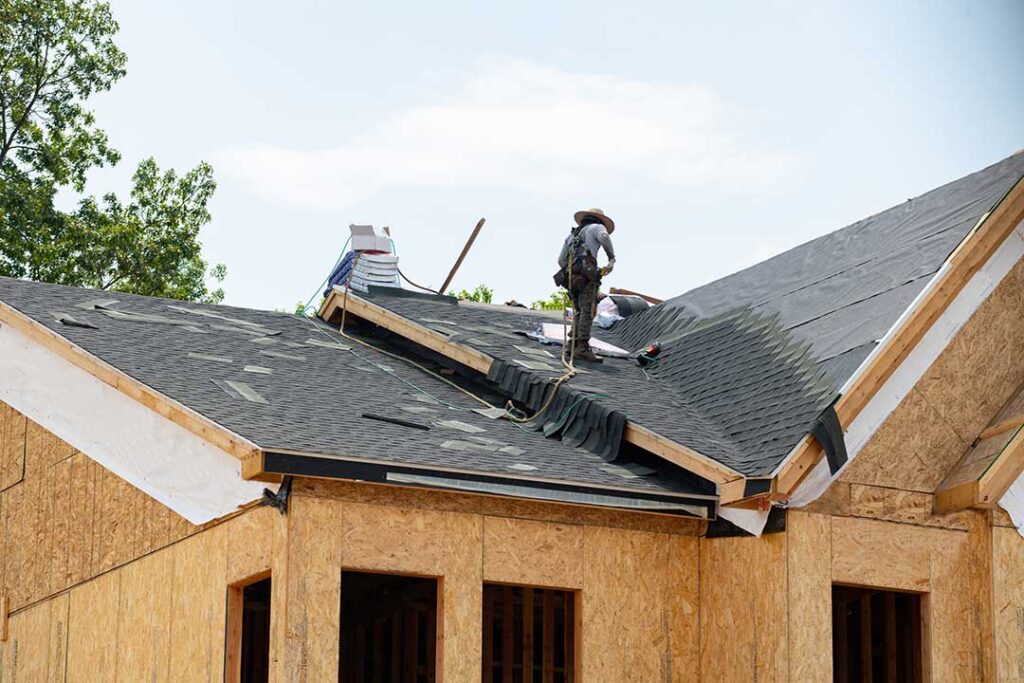
Roof work can look simple from the ground, but climbing onto a roof involves fall hazards, unstable surfaces, electrical risks, sharp materials, and changing weather. For homeowners in Dunkirk, NY, seasonal wind, snow, ice, rain, and damp conditions can make those risks more serious.
The safest approach is to inspect from the ground whenever possible and avoid climbing onto the roof unless the conditions, equipment, and task are appropriate.
Is it safe for a homeowner to walk on the roof?
Sometimes, but many roof surfaces are not safe for casual foot traffic. Asphalt shingles can become slippery from dew, algae, frost, or rain, while steep slopes and older roofing materials may be difficult to walk on without specialized equipment.
Avoid walking on the roof if:
- The surface is wet, icy, snow-covered, or visibly damaged.
- Wind is strong enough to affect balance or move ladders.
- The roof has a steep pitch, loose shingles, exposed decking, or soft spots.
- You are taking medication, experiencing balance problems, or uncomfortable with heights.
- You would need to step near skylights, roof edges, valleys, or overhead utility lines.
Walking on a roof can also damage shingles. Granules may be loosened, seal strips disturbed, and brittle materials cracked, particularly after years of freeze-thaw cycles.
How can homeowners inspect a roof without climbing it?
A ground-level inspection is often enough to identify conditions that need closer attention. Use binoculars from the yard or examine the roof from windows, a porch, or an upper-level vantage point.
Look for:
- Missing, curled, cracked, or unusually dark shingles.
- Shingle granules collecting in gutters or near downspouts.
- Sagging roof lines or dips in the roof surface.
- Damaged flashing around chimneys, vents, and roof edges.
- Rust, gaps, or loose sections around metal components.
- Water stains on ceilings or walls inside the home.
- Ice buildup along the eaves after snow or freezing weather.
Do not rely on a single observation. A roof may appear intact from the ground while water is entering around flashing or a vent. Interior attic and ceiling checks can provide useful additional information without requiring a roof climb.
What ladder practices reduce the risk of a fall?
A ladder should stand on firm, level ground and be positioned according to the manufacturer’s instructions. Never place a ladder on snow, ice, loose soil, boxes, buckets, or other makeshift supports to gain height.
Before using one, check that:
- The feet are clean and undamaged.
- The rails and steps are not bent, cracked, or loose.
- The ladder is clear of electrical wires.
- The top rests against a stable surface rather than a fragile gutter.
- The area around the base is free of children, pets, vehicles, and trip hazards.
Maintain three points of contact while climbing: two hands and one foot, or two feet and one hand. Carry tools in a belt or hoist them after climbing instead of holding them while using the ladder.
A ladder is not a substitute for fall-protection equipment. Reaching sideways, standing on the top step, or leaning beyond the ladder’s rails greatly increases the chance of losing balance.
Why are roof edges and skylights especially dangerous?
Roof edges can be difficult to see when attention is focused on a repair. A person may step backward, slip on loose granules, or misjudge the edge near a gutter. Snow and ice can also hide the boundary between the roof surface and the drop-off.
Skylights are another overlooked hazard. Some appear solid but are not designed to support a person’s weight. A skylight may also be hidden beneath snow, leaves, or roof debris.
Stay well away from roof edges and skylights unless proper fall protection and safe access equipment are in place. Never use a skylight frame, chimney, vent, or plumbing pipe as a handhold.
How should homeowners handle snow and ice on a roof?
Snow removal from a roof can be hazardous because snow adds weight, covers weak areas, and creates slippery surfaces. Shoveling from the roof may also damage shingles and increase the risk of falling snow or ice striking people below.
Watch for warning signs that snow or ice may be affecting the structure:
- Doors or windows suddenly becoming difficult to open.
- New cracks in ceilings or walls.
- Bending, popping, or creaking sounds.
- Sagging roof lines.
- Interior water stains or dripping.
- Large ice formations along roof edges.
Do not stand beneath heavy roof overhangs or large ice formations. Keep children and pets away from areas where snow or ice could slide. If structural movement or significant water entry is suspected, leave the affected area and seek qualified assistance rather than climbing onto the roof.
What should be done after a windstorm or heavy snowfall?
After severe weather, inspect the property from the ground first. Wind may loosen shingles, flashing, vents, gutters, or siding. Heavy snowfall can conceal damage until the surface begins to melt.
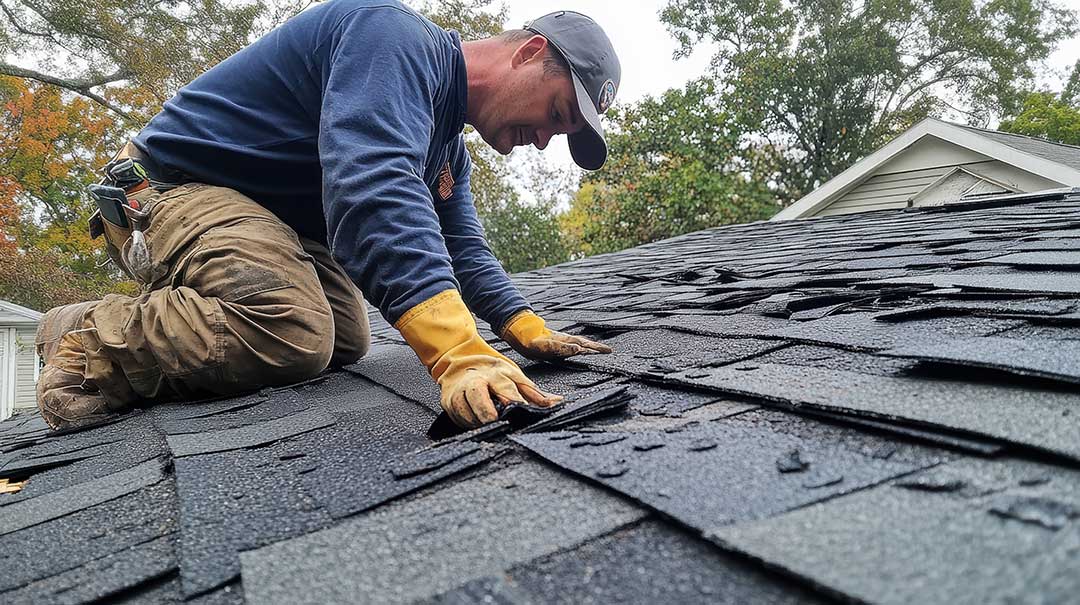
Look around the property for:
- Shingles or metal pieces on the ground.
- Fallen branches resting on the roof.
- Loose gutters or downspouts.
- Water entering the attic or upper rooms.
- New openings around vents or chimney flashing.
- Damaged utility lines or electrical equipment.
Do not approach a roof if a tree, branch, or utility line is touching it. Treat all downed electrical lines as energized, even if they appear inactive. Roof damage involving electrical components, major structural movement, or a large opening should be handled by trained personnel.
Are roof repairs safe during rain or cold weather?
Most roof repairs should wait for dry, stable weather. Rain creates slippery surfaces and can make tools and materials difficult to control. Cold temperatures can make shingles brittle, while frost and ice may be difficult to see.
Damp weather also increases the chance of slipping from a ladder or roof edge. In the lake-influenced climate around Dunkirk, sudden changes in temperature can leave surfaces wet, icy, or coated with condensation even when conditions look manageable from indoors.
If an active leak is present, place containers beneath drips, move furniture away from the affected area, and protect belongings with plastic sheeting. Avoid climbing onto the roof to cover a leak during a storm. Temporary interior measures are safer until weather and site conditions allow a proper assessment.
What personal protective equipment is useful?
Protective equipment cannot make an unsafe roof safe, but it can reduce injury severity. Depending on the task, useful equipment may include:
- Slip-resistant work boots in good condition.
- Work gloves that allow a secure grip.
- Eye protection when cutting, fastening, or removing materials.
- A properly fitted helmet when working beneath overhead hazards.
- Fall-protection equipment designed for roofing and used according to its instructions.
A fall-arrest harness is not automatically safe simply because it is worn. It must be connected to a suitable anchor and used with enough clearance to prevent striking the roof, ground, or nearby structure. Homeowners unfamiliar with fall-protection systems should not improvise with ropes, gutters, chimneys, or ladders.
When should a homeowner stop and avoid the roof?
Stop immediately if the surface becomes slippery, wind increases, visibility drops, or the work requires stretching beyond a stable position. Also stop if the roof feels soft, the ladder shifts, or damage is more extensive than expected.
Some conditions justify avoiding the roof entirely:
- Active lightning or severe weather.
- Ice, frost, or snow on the walking surface.
- A steep or unusually high roof.
- Suspected structural damage.
- Exposed electrical wiring.
- A roof that cannot be reached without unsafe ladder placement.
- Any situation where a fall could land on a lower roof, deck, driveway, or hard surface.
A ground-based inspection, attic check, or photograph taken from a safe location can often provide useful information without adding unnecessary risk. Safety should determine whether a task is attempted—not urgency, convenience, or the desire to avoid a repair bill.
