
Why Is Sealing Roof Penetrations Essential?
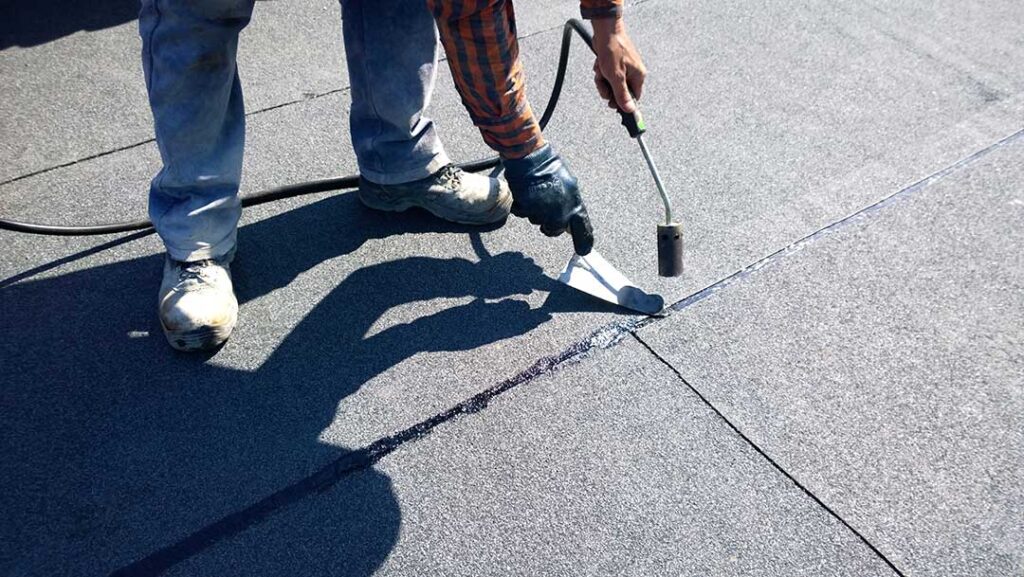
Sealing around roof penetrations is critical to prevent water from sneaking into your home and causing hidden damage. In Dunkirk, NY, where lake-effect weather brings heavy rain, snow, and strong winds, unsealed penetrations are among the most common causes of roof leaks and water damage. Anything that interrupts the surface of your roof—vents, chimneys, skylights, or pipes—creates a risk for leaks if not properly sealed.
What Roof Features Need to Be Sealed?
Any object that goes through the roof decking or shingles requires attention. Common roof penetrations in area homes include:
- Plumbing vent pipes
- Exhaust vents (bathroom, kitchen)
- Chimneys and flues
- Satellite dishes or antennas
- Skylights
- Electrical or HVAC penetrations
Local roofs, especially those on older homes, often have multiple penetrations. Each one is a potential weak spot for water intrusion if seals deteriorate or were not installed correctly to begin with.
How Does Local Climate Affect Roof Sealing?
The weather in Dunkirk poses unique challenges for roof seals. Snow loads, ice dams, freeze-thaw cycles, and wind-driven rain all stress the joints where penetrations meet roofing materials. Over time:
- Caulks and sealants can shrink, crack, or lose adhesion after repeated freezing and thawing.
- Rubber gaskets and flashing may become brittle, especially during harsh winters.
- Water might pond or back up around poorly sealed areas, increasing the risk of interior leaks.
Routine checks before fall and after major winter events help catch failing seals before they lead to bigger issues inside the home.
What Are the Signs a Roof Penetration May Be Leaking?
Short answer: Damp ceilings, musty attic smells, or visible water can signal a problem, but small leaks often go unnoticed. Residents sometimes overlook early signs because water can travel along joists and beams before showing up elsewhere. Look for:
- Discoloration or bubbling on ceilings below roof penetrations
- Rust or corrosion on metal vent pipes or flashing
- Cracked or missing caulk around roof features
- Stained or soft wood in the attic near penetrations
- Unexplained increase in indoor humidity during wet seasons
A yearly attic inspection, especially after winter, catches these warning signs early.
What Materials Are Best for Sealing Roof Penetrations?
Reliable results depend on using products that withstand harsh weather and temperature swings common in the city. Widely used materials include:
- High-quality roofing caulk or sealant rated for exterior use and temperature variations
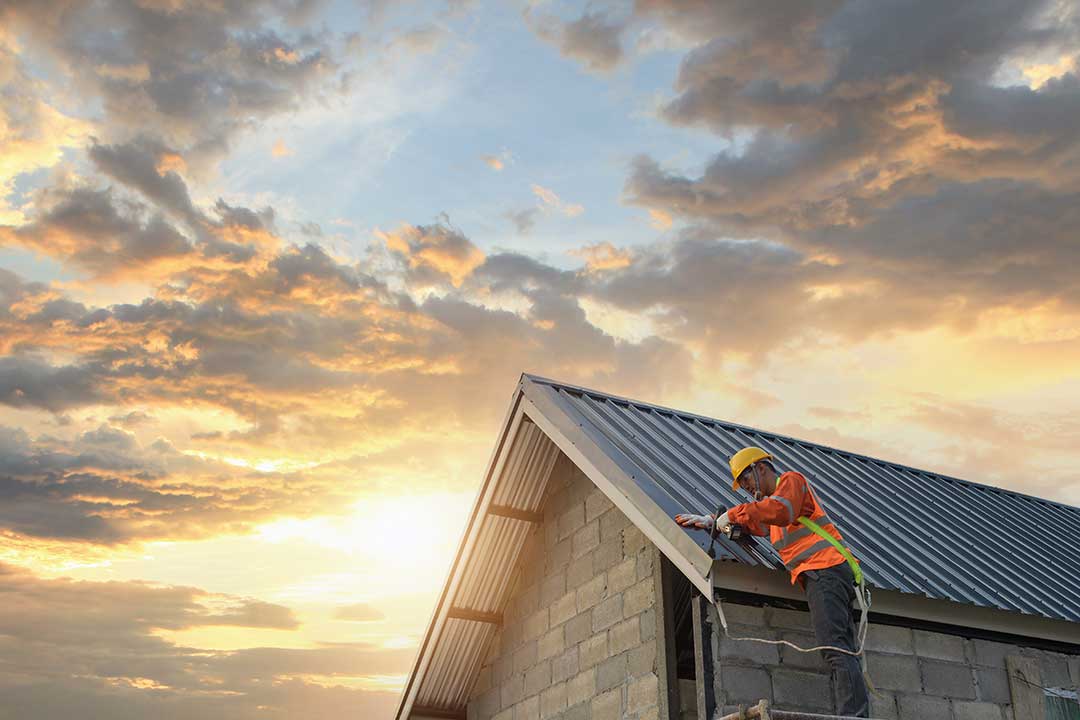
- Flashing—a metal (usually aluminum or galvanized steel) barrier bent to fit around penetrations
- Pre-formed rubber boots (pipe boots) for plumbing stacks or round vents
- Roofing cement (for small patches, but not as a sole sealant)
Avoid all-purpose caulks and indoor sealants, as they often fail after a single winter. Products labeled for roof and flashing use are more likely to hold up over time.
How Do You Properly Seal a Typical Roof Penetration?
Proper sealing is a combination of good materials and methodical installation. Here’s a step-by-step look at sealing a vent pipe, one of the area’s most common roof penetrations:
1. Clean the Surface: Remove dirt, debris, and any old, loose or cracked sealant.
2. Inspect the Flashing: The metal collar around the pipe should lay flat against the roof. If rusted or warped, it needs replacing.
3. Apply a Pipe Boot (if required): Slide a new rubber boot (if the old one is degraded) over the pipe and seat it against the flashing.
4. Seal Edges: Use a compatible roofing sealant to fill any visible gaps under the flashing or around the pipe boot. Smooth the bead with a gloved finger or a tool.
5. Check for Overlaps: Shingles above the penetration should overlap the upper edge of the flashing. Never nail through the lower edge; water must flow away.
6. Final Check: Wipe away excess sealant and make sure everything is firmly in place.
Other penetrations, like chimneys, require properly installed step flashing coated at edges with a durable, weather-rated sealant rather than just slapping on caulk.
Are There Common Mistakes Homeowners Make?
Quick fixes are tempting, but often lead to more trouble. Here are some pitfalls local homeowners should avoid:
- Applying caulk directly over wet, dirty, or mossy surfaces—sealant will not adhere.
- Using incompatible or interior-only products outside.
- Relying solely on caulk when flashing is rusted or pulled away.
- Blocking vent pipes with excessive sealant or debris, which can cause venting problems inside.
- Covering up cracked flashing instead of replacing it.
Each shortcut increases the chance of roof leaks and costly repairs after the next harsh weather event.
Maintenance Tips for Local Homes
In the city, roof penetration maintenance is a smart part of seasonal home care. Homeowners can:
- Inspect penetrations after major storms or heavy snowfall.
- Remove debris (branches, leaves) that collect around roof features.
- Reapply compatible sealants as needed—usually every few years, but check makers' recommendations.
- Keep attic spaces ventilated and dry to discourage condensation and hidden leaks.
- Watch for wildlife, such as squirrels or birds, which sometimes damage seals while nesting.
Regular upkeep helps local homes better withstand the region’s variable climate.
